STRU Compliance in Sevier County: A Cabin Owner’s Step-by-Step Guide
You bought a cabin in the Smokies and you want to rent it. Before the first guest checks in, Sevier County wants a Short-Term Rental Unit permit on file and the Fire Marshal wants to walk the building. At LoneStar Installations LLC this is the point where most new owners first call us, usually holding a list of things an inspector flagged. So here is the STRU compliance process from the first phone call to the permit on the wall, the way we explain it across a kitchen table. Rules change. Treat this as a map and confirm current requirements with the county before you spend money.
What STRU compliance covers in Sevier County
The county program has two halves. There is the permit, which is paperwork, a fee, and a guest count you commit to. Then there is the life-safety inspection, where a person walks every floor of your cabin looking for alarms, extinguishers, exits, and anything that would hurt a guest in a fire. The two go together, and the inspection comes back around after the permit is issued, so the safety hardware is not a one-time install.
One thing to sort out first. If the cabin sits inside a city’s limits rather than in unincorporated county, that city runs its own rental program with its own permit. Pull up the parcel and confirm which office you answer to before you fill out anything.
Step one: know what you own
Three facts about the building drive everything else. The year it was built, its square footage, and how many stories it has above grade.
February 2016 is the line the county uses. Cabins built after that date are held to the current requirements in full. Cabins built before it may carry a grandfathered status on some requirements, but only if the owner applied during the county’s first application window in 2024. If you bought an older cabin, ask the Fire Marshal’s office whether that status came with the property. Do not assume it did.
Size matters because a structure over 5,000 square feet or more than three stories above grade can trigger a sprinkler requirement no matter how many people sleep there. Most cabins are under that line. Know where yours falls.
Step two: pick your guest count on purpose
This decision sets the cost of everything downstream. The county draws a line at thirteen guests. Sleep twelve or fewer and you stay on the standard requirements. Sleep thirteen or more and a residential sprinkler system comes into play for any post-2016 build and for any older cabin without grandfathered status.
At the time of writing the base permit fee is two hundred fifty dollars, with twenty-five dollars added for each occupant over twelve. The fee is not the expensive part. The sprinkler system is. Plenty of owners look at a cabin that could sleep fourteen and decide twelve is the right number.
If you choose twelve, make it real. Take the extra beds out and change every listing to match. The inspector counts sleeping spots, and a bunk room with sixteen mattresses next to a permit that says twelve is a problem you created for yourself.
Step three: get ready for the life-safety inspection
This is where we do most of our work for new owners, because the list is specific and a lot of cabins fail it the first time on small things. Here is what the inspector is looking for.
- A smoke alarm in every bedroom and on every level, all interconnected so one alarm sets off the rest. A few standalone battery alarms scattered through the house does not meet this.
- Carbon monoxide detectors on every floor with a fuel-burning appliance or an attached garage. A gas fireplace or a propane range counts.
- A fire extinguisher rated 2A:10BC on every level, mounted where a guest can see and reach it, with a current inspection tag.
- A way out of every bedroom. A window or door a person can actually open and fit through, not a fixed picture window with a view.
- Clear hallways and stairs, and an evacuation map posted where guests will see it.
Alarms, detectors, and extinguishers are straightforward installation work for us. Egress is where it gets bigger. A lower-level bedroom with a small window may need a larger one cut in, and that is carpentry, framing and flashing done right, not a hardware swap. We would rather tell you that before the inspection than after.
Step four: the inspection, the permit, and keeping it current
Once the hardware is in, you schedule the inspection through the county. Walk it with the inspector if you can. If something is written up, fix it and get the reinspection done. The permit issues after the pass.
It does not end there. Expect to renew the permit and expect the inspection to come back around. Alarms age out, extinguisher tags expire, and a guest will eventually pull the battery out of something that chirped at two in the morning. Confirm the renewal schedule with the county and put it on a calendar.
Where renovations in the Smokies fit into the timeline
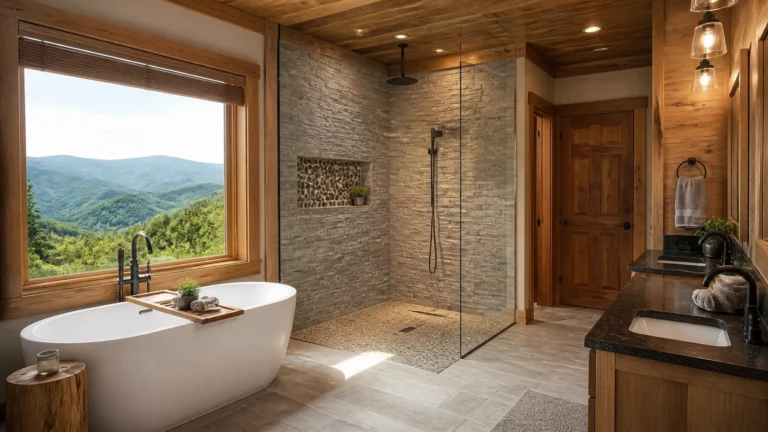
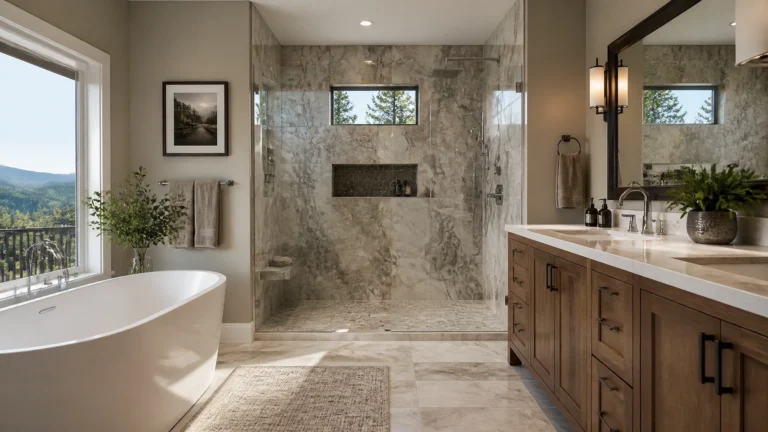
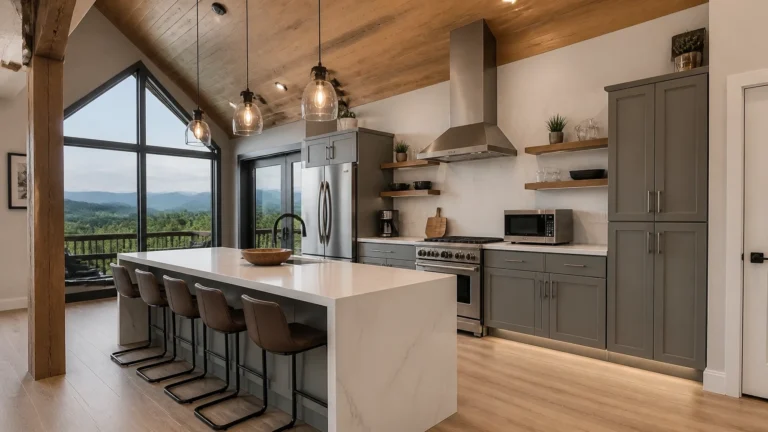
Most new owners want to do the kitchen and bathrooms anyway. The mistake is treating the safety list and the renovation as two separate projects. Do them together.
Any work that changes the bedroom count, the layout, or the number of people who can sleep in the cabin changes the permit. Finishing a basement into a bunk suite is a great upgrade, and it also adds sleeping spots, which means egress for that room and a fresh look at your guest count. Plan that before the flooring goes down, not after.
Sequence it so the safety items go in first and the inspection is passed while the tile and cabinets are still underway. That way the permit is never the thing holding up your first booking.
After the permit is issued
A cabin that passes inspection in March can drift out of STRU compliance by fall without anyone noticing. That is why we run a monthly inspection and maintenance program for short-term rental owners and property managers: one scheduled visit a month around your booking calendar, a photo-documented walk through the decks, railings, doors, windows, showers, plumbing, roof and exterior wood, alarms, and HVAC filters, small fixes done on the spot, and a photo report after every visit. If you are starting the permit process on a cabin you just bought, or planning a renovation around it, contact LoneStar to schedule a site visit. We will walk it with you and tell you exactly what the inspector is going to want.