5 Costly Mistakes with Cabin Renovations in the Smokies (and the Fix)
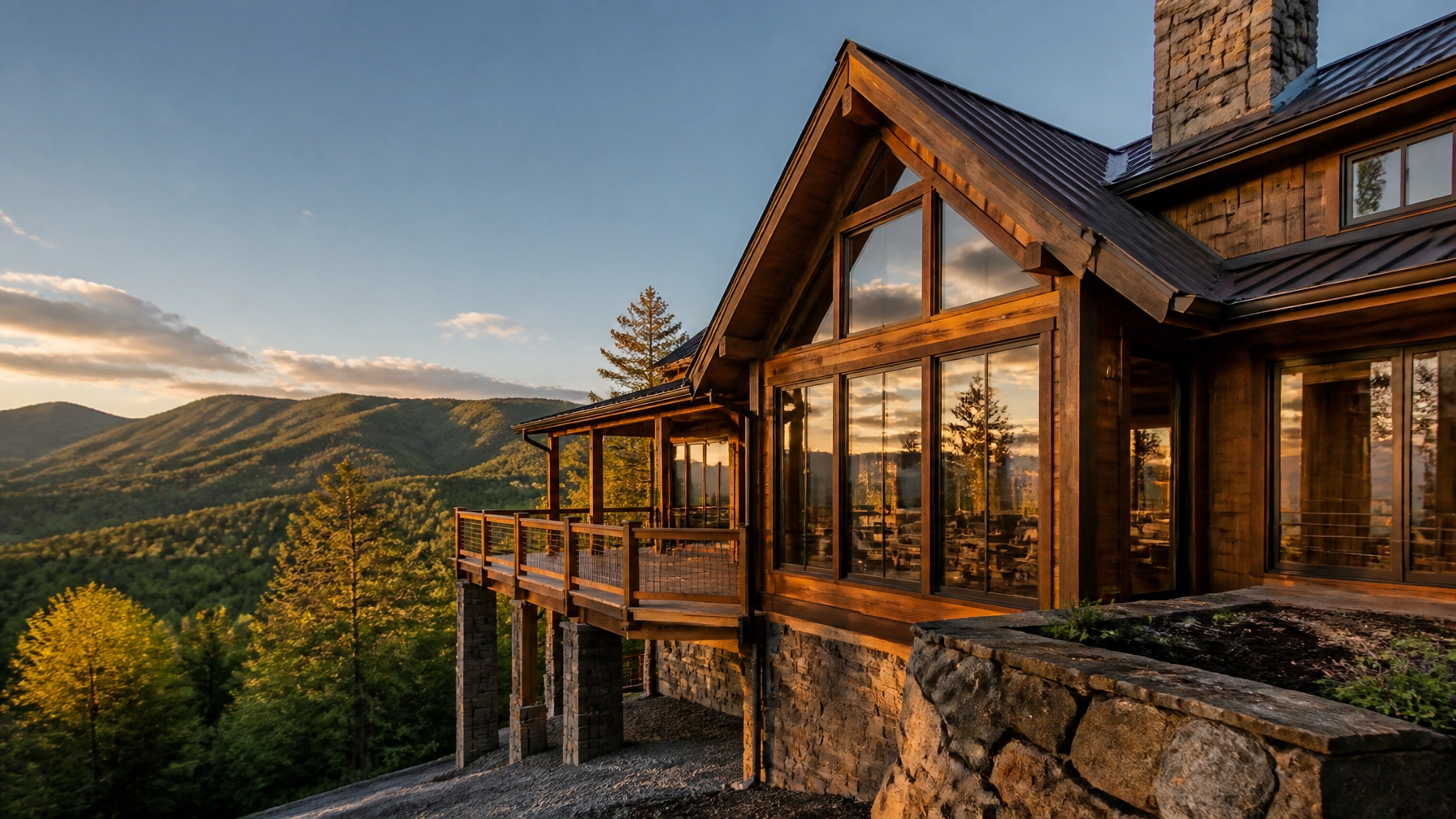
We get called to a lot of cabins after the fact. Something failed inspection, or the county sent a letter, or a guest left a review about a shower that never drained right. Most of the time the problem traces back to a decision made before the renovation started, not to the work itself. At LoneStar Installations LLC these are the five mistakes we see most often with cabin renovations in the Smokies, and what it takes to put each one right.
The five mistakes we fix most on cabin renovations in the Smokies
Mistake 1: Building to the wrong rulebook
The owner has a Sevierville mailing address, downloads the City of Sevierville code enforcement documents, and builds to them. The cabin actually sits in unincorporated Sevier County, which runs its own STRU program with its own safety guidelines. The permit application goes to an office with no authority over the parcel, and the inspection comes from the one that does.
The fix is boring. Pull the parcel up on the Sevier County GIS map before anything else. Then read the documents from the office that actually has jurisdiction, either Sevier County Building Inspections or the city’s code enforcement office. Submit to that office and no other. We do this before we price cabin renovations in the Smokies, because the answer changes what the job is.
Mistake 2: Adding the thirteenth bed
A bunk room sounds like easy money. Two more guests, a higher nightly rate, one weekend of framing. Then the permit renewal comes back with a higher fee and a question from the Fire Marshal about a sprinkler system.
Tennessee generally follows the 2018 International Residential Code for houses. Past twelve guests, a cabin can be treated as lodging instead of a one- or two-family dwelling, and the fire safety expectations follow that classification. The county also charges per guest above twelve. Count occupancy the way the county does, two people per bedroom plus two, and ask the Fire Marshal in writing whether your target count triggers sprinklers before you frame a wall. Most of the time the better project is a nicer twelve-guest cabin.
Mistake 3: Letting the permit lapse mid-renovation
The cabin comes off the calendar for a big remodel, so the owner skips the STRU renewal. Why pay for a permit on a cabin that is not renting. The answer is grandfathered status. Once the permit lapses the cabin can lose it, and then it has to meet the current 2018 IRC and the state fire safety amendments in full. On an older cabin that can mean structural retrofits nobody budgeted for.
The fix: check the expiration date before demolition starts and renew on schedule even while the cabin is down. Keep the interconnected smoke alarms and the extinguishers in service through the work so a pre-inspection walk passes. We schedule renovation phases around the renewal date for exactly this reason.
Mistake 4: The water heater nobody permitted
A handyman swaps the water heater on a Saturday. A cousin cuts an attic ladder into the hall ceiling. Somebody upgrades the panel from a video. It all works until the inspector opens the utility closet. In Tennessee these jobs need proper oversight, and unpermitted mechanical work is one of the most common reasons a cabin fails its fire inspection. It is also a fire risk, which is the whole point of the inspection.
The fix: list every plumbing, electrical, and HVAC change at the planning stage, not when the wall is open. Water heaters, attic ladders, outlets, fixtures, and alarms are routine installations for our crew. Panel work goes to a licensed electrician we work with. One contractor managing the permits and the inspection schedule means nothing gets skipped because two trades each assumed the other pulled it.
Mistake 5: Choosing for the photo instead of the turnover
The listing looks great. Then the carpet takes its first winter of muddy boots, the laminate counter swells at the sink, and the galley kitchen turns out to be miserable for a family of ten trying to cook together. Rustic charm sells the booking. Function earns the review.
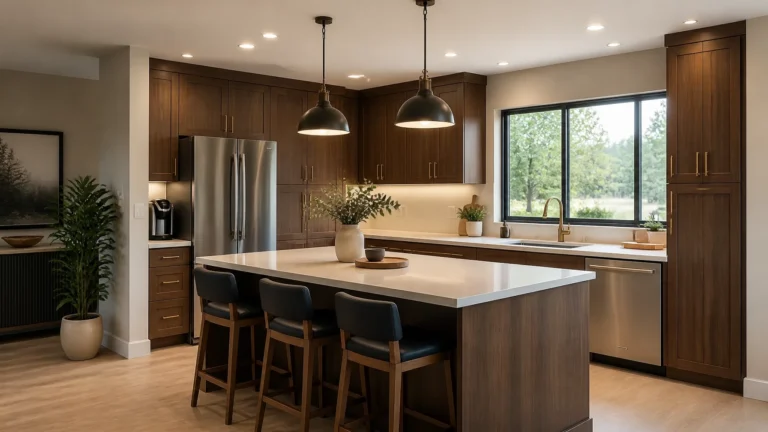
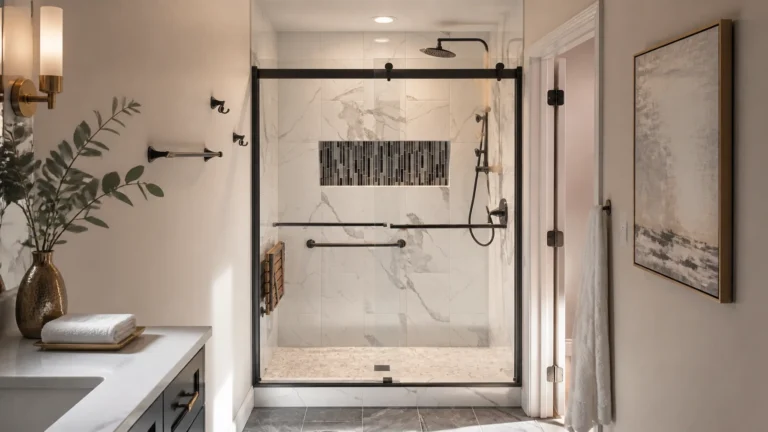
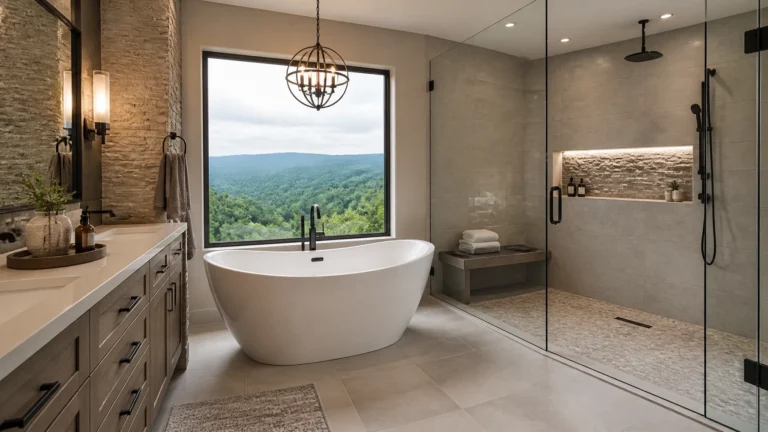
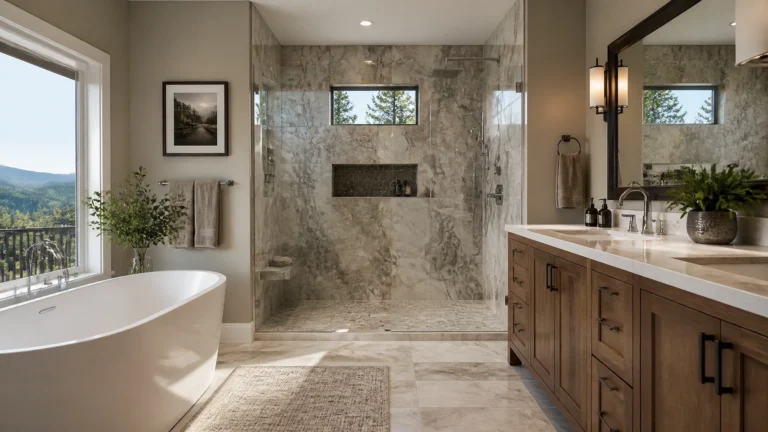
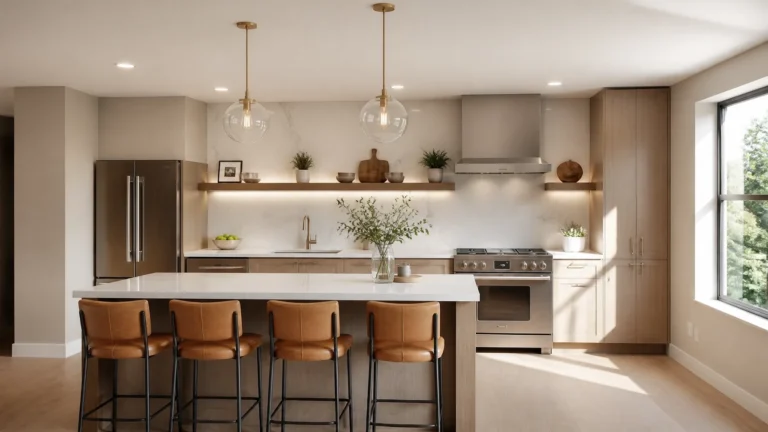
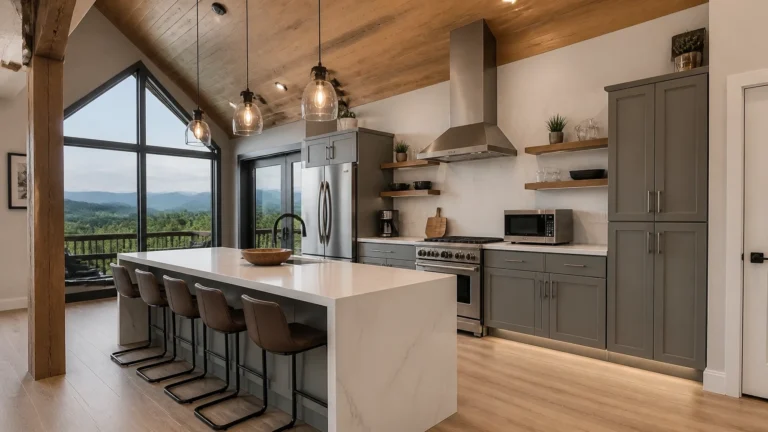
The fix: put the money where guests live. Wood-look tile or plank flooring that can be mopped. Granite or quartz that survives a cutting board. A kitchen opened up to the living space. A bathroom laid out so two people can use it in the morning. A basement finished into a real suite rather than a room with a futon. Those are the upgrades that hold their value season after season, and they are the ones that move the nightly rate.
The order that avoids all five
Jurisdiction first. Guest count second, in writing. The permit renewal date on the calendar. Every mechanical change listed and permitted. Then finishes, chosen for the tenth guest as much as the first. None of it is complicated, but it has to happen in that order, and most of the cabin renovations in the Smokies we get called to fix skipped a step.
The cheapest fix is the one that never becomes a repair. LoneStar’s monthly inspection and maintenance program for short-term rental cabins and property managers puts one scheduled visit a month on the calendar around your bookings, with a photo-documented walkthrough of decks, railings, alarms, plumbing, roof, and exterior wood, small fixes done on the spot, and a report after every visit. For renovation work of any size, contact LoneStar to schedule a site visit.