Which Cabin Renovations in the Smokies Actually Pay for Themselves
Every owner who calls us about a renovation eventually asks the same question. Will it pay for itself? The honest answer is that it depends on three numbers you can find before we ever pick up a tool: what the cabin earns per night, how many nights it books, and what the work costs to do right. At LoneStar Installations LLC we see profitable renovations in the Smokies come from running those numbers before anyone chooses a backsplash, not after. Here is how we think about payback in this market, where the money tends to come back, and where it does not.
What profitable renovations in the Smokies have to earn back
A renovation pays you back four ways. It raises the nightly rate. It fills more nights. It cuts the refunds, bad reviews, and emergency calls that come from a tired cabin. And it lowers what you spend on repairs over the next several years. Most owners only count the first one.
The simple test is this. Take what the project costs, including the nights the cabin sits empty while the work is done. Then ask how much extra it has to bring in per year to cover that, and whether the market will actually pay it. A project that needs the nightly rate to climb ten percent across two hundred booked nights is a very different bet from one that needs forty percent. Write the number down. If you cannot say what the work has to earn, you are not ready to spend on it.
The calendar is part of the cost
This market runs on seasons. October leaves, summer break, and the holiday weeks book solid. January and February are quiet, and weekdays in the shoulder months are soft. Every night a crew is in the cabin is a night you cannot rent.
So the timing of the work is a line in the budget. A bathroom gutted in mid-October costs you peak-season nights on top of the tile. The same bathroom in late January costs you almost nothing in lost bookings. We schedule around booking calendars for exactly this reason, and it is worth asking any contractor to do the same. Nobody can promise a finish date on a remodel, but the start date is in your control.
The twelve-or-thirteen guest decision
If you own a large cabin, this is the biggest payback question you will face, and it is set by fire code rather than taste.
Sevier County’s rental program draws a line at thirteen guests. At thirteen or more, the fire requirements step up and a residential sprinkler system is generally part of the package. A structure over three stories or over 5,000 square feet can trigger the same requirement on its own. The county also charges a per-guest fee above twelve on top of the base permit. Confirm all of it with the Fire Marshal, because there are exceptions tied to when a cabin was built and permitted, and the details get revised.
Now run the math both ways. Staying at twelve means no sprinkler retrofit, which in our experience runs from several thousand dollars to twenty thousand or more depending on the layout and the water supply. It also means a lower ceiling on what large groups will pay. Going to thirteen or more means the sprinkler, higher fees, and more wear on the cabin, against a real premium from reunions and big family trips that struggle to find a place that sleeps everyone under one roof.
For a cabin that can genuinely sleep sixteen in proper bedrooms, the large-group premium often covers the sprinkler over a reasonable number of years. For a cabin that gets to thirteen by stacking bunks in a converted garage, it usually does not. In that case the smarter spend is a better master suite and a kitchen that photographs well.
Where the money usually comes back
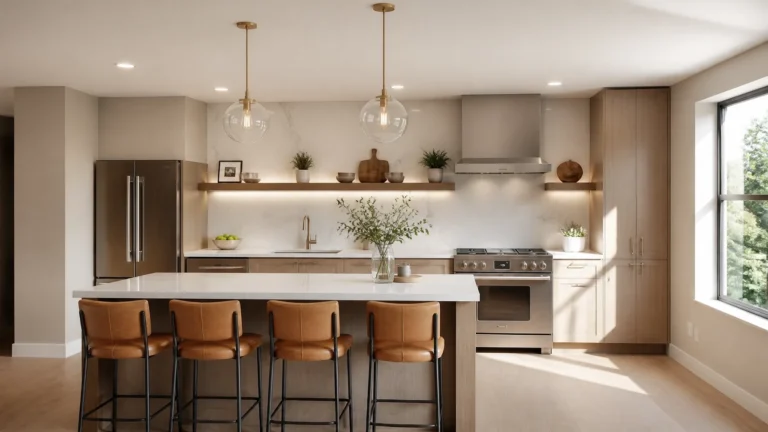
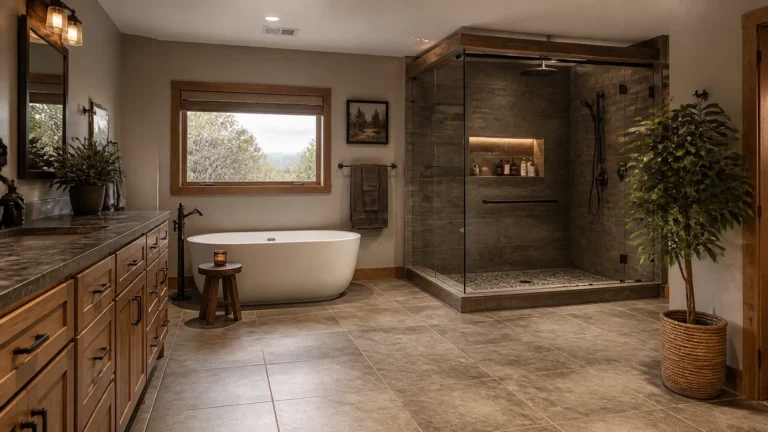
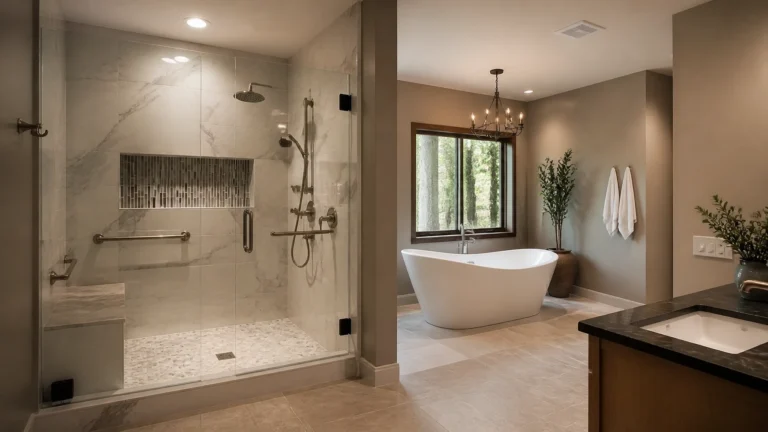
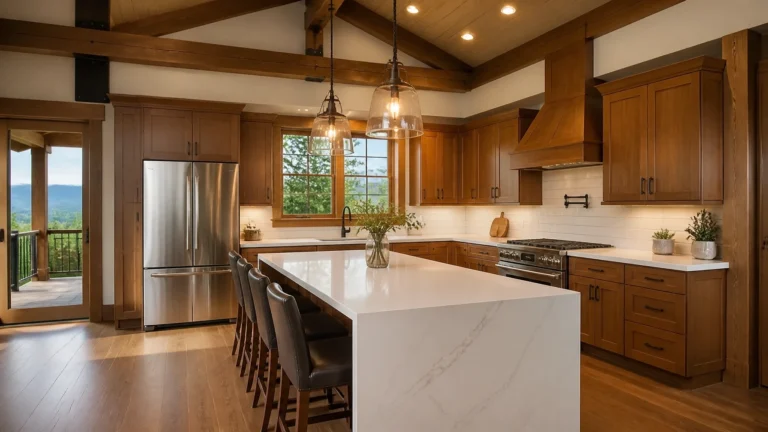
Kitchens and bathrooms, and it is not close. Guests judge a cabin from the listing photos, and the two rooms they zoom in on are the kitchen and the shower. In the kitchen that means counters that survive turnover after turnover, cabinets with soft-close hardware, and enough light to photograph well. In the bathroom, the single highest-return change we make is pulling a plastic tub insert and building a tiled walk-in shower. It changes how the whole cabin reads online.
The third one is a finished lower level. An unfinished basement turned into a suite with water-resistant plank flooring and a small kitchenette adds a bedroom, and a bedroom is the unit the market prices on. Just remember what that does to your guest count and your egress requirements. It ties straight back to the section above.
What rarely pays back
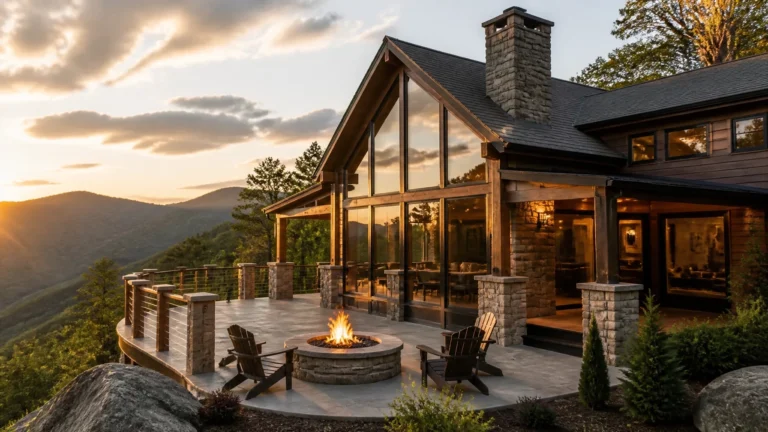
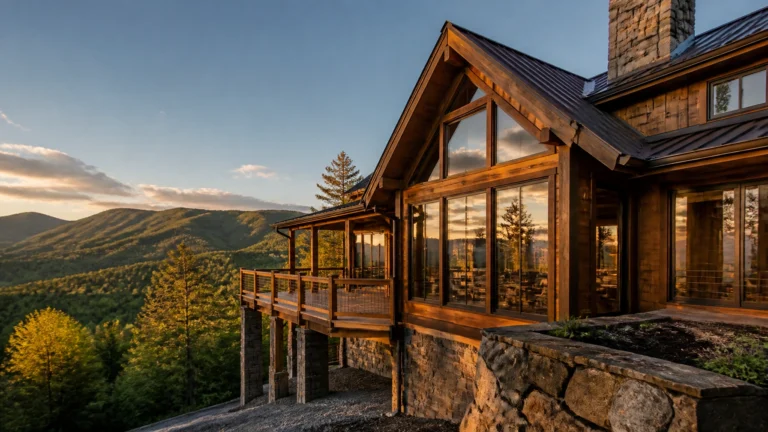
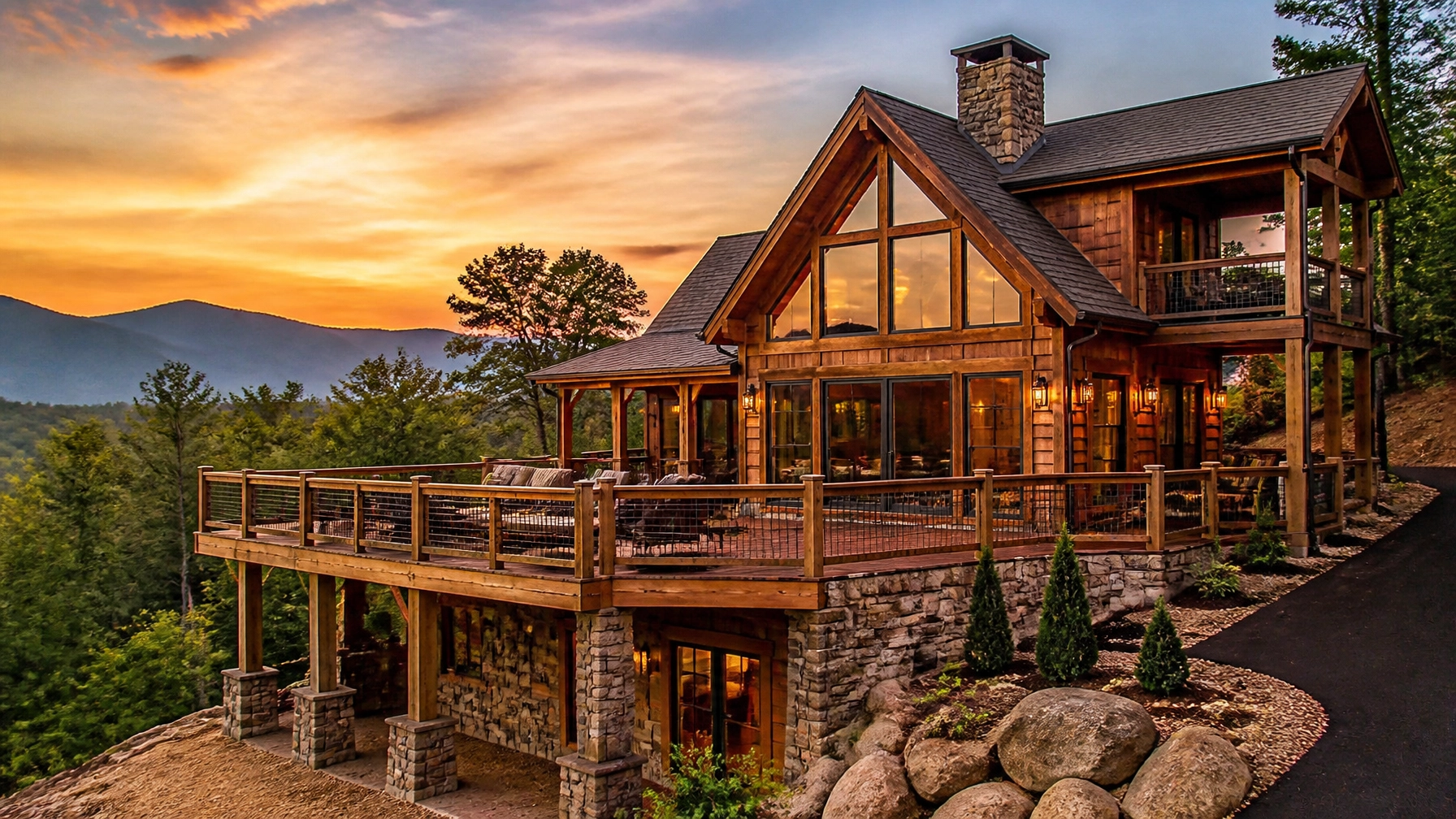
Finishes guests do not notice. Anything trendy enough to look dated in five years. Choices made for your own taste rather than a renter’s. Exterior work almost never raises the nightly rate on its own, but skipping it is worse, because a rotten deck board or a peeling railing produces the review that drags the rate down for a year.
And the one that costs the most: putting off the safety items. Interconnected smoke alarms in every bedroom and on every level, carbon monoxide detectors, a tagged extinguisher on each floor, a real exit from every bedroom. A cabin that fails its annual fire inspection does not book at a discount. It does not book at all until it passes, and every dollar of finish work sits idle while you wait. We covered the permit side in our Sevier County permits and codes guide.
Protecting the return after the crew leaves
Profitable renovations in the Smokies only stay profitable if they are still in good shape three years from now. Durable materials are half of that. The other half is catching small problems before a guest does. That is why we run a monthly inspection and maintenance program for cabin owners and property managers: one scheduled visit a month around your bookings, a photo-documented walk through the decks, railings, doors, windows, showers, tile, plumbing, roof and exterior wood, alarms, filters, caulk and seals, small fixes done on the spot, and a report after each visit. If you are weighing a renovation and want a straight answer on what it should earn, contact LoneStar to schedule a site visit and we will walk the cabin and the numbers with you.