10 Things to Know About Cabin Renovations in the Smokies
At LoneStar Installations LLC, most calls we get about cabin renovations in the Smokies start the same way. The owner has finishes picked out and a rough budget, and somewhere in the second sentence the rental calendar comes up. What usually has not come up yet is the compliance side, and that is the part that decides what the renovation is allowed to be. Here are ten things we wish every owner knew before the first wall comes down. Some are about passing inspection. Some are about money. Most are both.
Ten things owners learn the hard way about cabin renovations in the Smokies
1. Your mailing address does not tell you your rules
A Sevierville or Gatlinburg address does not mean the cabin sits inside city limits. Unincorporated Sevier County runs its own short-term rental unit program through the Fire Marshal’s office. Gatlinburg, Pigeon Forge, and Sevierville each have their own ordinances. Find out which office governs your parcel before you plan anything, and ask that office which fire code edition applies. Rules change. Confirm them with the county or the city directly, not with a listing site.
2. Twelve guests is the line that matters
Under the county program, a cabin that sleeps twelve or fewer stays in the simpler category. Thirteen or more pushes it toward requirements written for lodging, and those cost real money. Plenty of owners decide the smartest move is to hold the count at twelve, list it that way everywhere, and take the extra sleeper sofa out. Ask before you add a bed, not after.
3. The sprinkler question has more than one trigger
Guest count is one trigger. Size is another. A cabin taller than three stories or larger than five thousand square feet can need a sprinkler system no matter how many people it sleeps. The construction date matters too. Rules that took effect in early 2016 treat newer builds differently from older cabins that have kept their permit current, and a renovation can affect that standing. If you own an older cabin, ask the Fire Marshal in writing before you start. A sprinkler system is a five-figure job in most cabins, and the thirteenth guest rarely pays for it.
4. Alarms have to talk to each other
Interconnected smoke alarms. One on every level, one inside every sleeping room, wired so that when one sounds they all sound. Carbon monoxide detectors within fifteen feet of every bedroom door. This is the first thing the annual life-safety inspection checks and one of the least expensive items on this list to get right. We install and connect these on nearly every cabin job because the walls are already open. Test them monthly once they are in.
5. Every sleeping room needs a second way out
That includes the loft with the futon and the den with the pull-out. Each one needs a window large enough to climb through or a door straight outside, with a clear path to the yard. Small basement windows are the usual failure. Cutting in a proper egress window is routine work in a lower-level renovation, but the opening has to meet current size requirements, so confirm those numbers before you order glass.
6. One tagged extinguisher on each floor
A 2A:10BC rated extinguisher on every level, mounted where a guest can see it, with a current inspection tag. The tag is annual. Inspectors check the gauge and the tag both. Note the locations in the welcome book.
7. Bathrooms move the nightly rate more than most owners expect
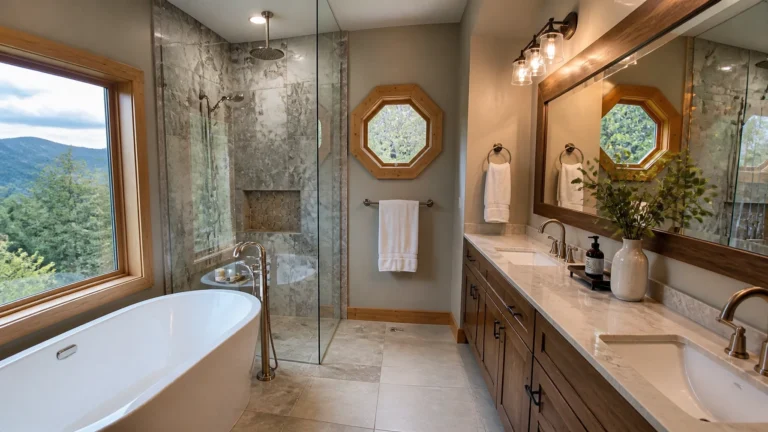
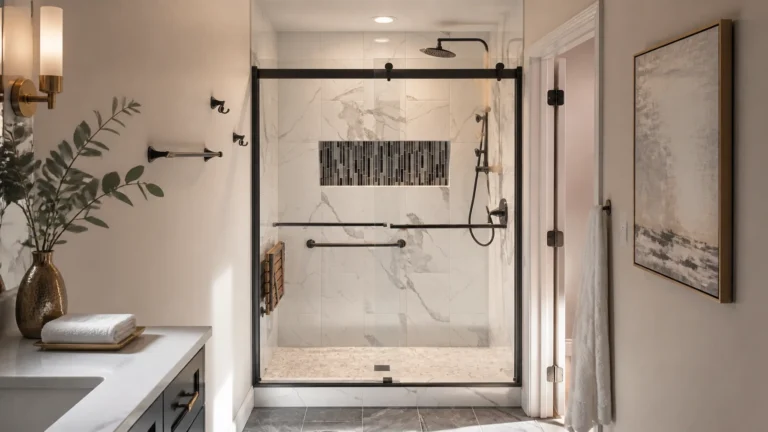
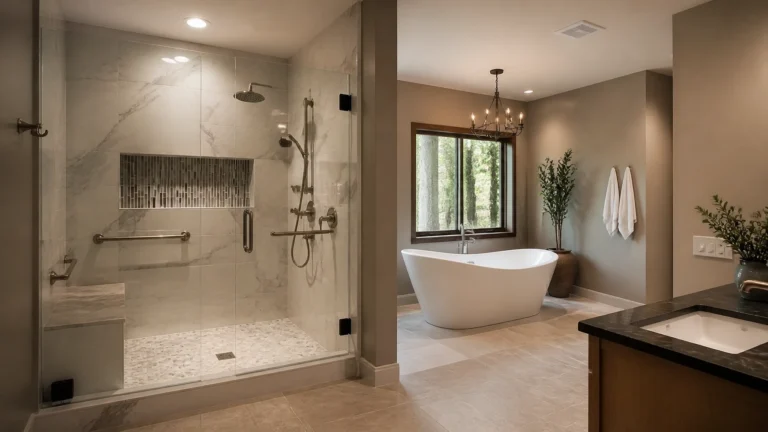
A tiled shower behind glass, a rainfall head, and wood-look plank flooring that shrugs off wet feet. Guests photograph bathrooms. Guests mention bathrooms in reviews. If the budget for cabin renovations in the Smokies only stretches to one room, this is usually the room.
8. Kitchens get judged in the listing photos
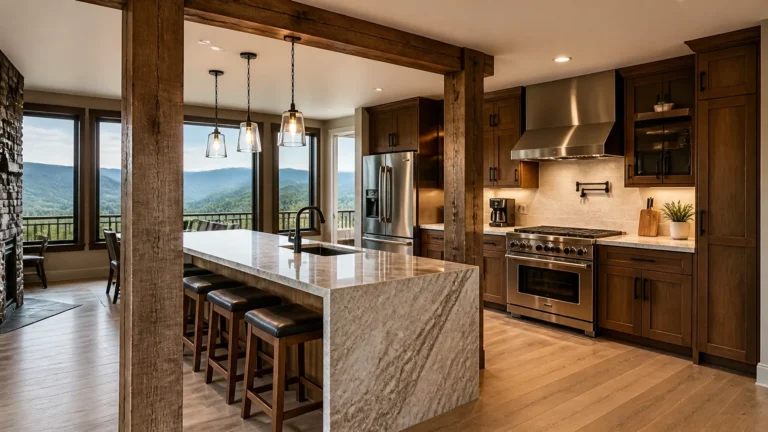
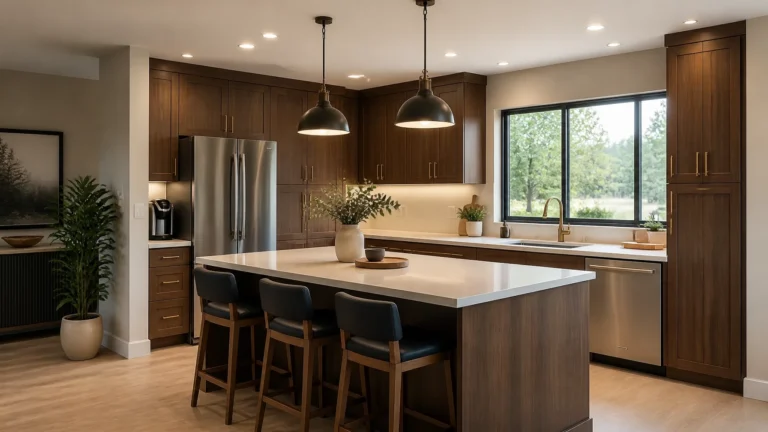
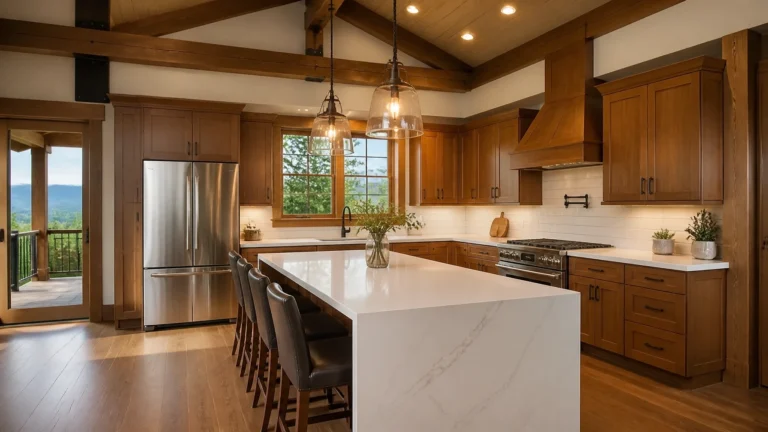
An open layout reads well in photos and works better for a large group cooking together. Quartz or a similar hard surface holds up to turnover. Neutral shaker cabinets, stainless appliances, and recessed LED lighting so the room is bright at night. None of it is exotic. It just has to look like someone cared.
9. Decks and railings fail quietly
Mountain weather is hard on exterior wood. Posts rot at the base, ledger boards pull away from the house, and guardrail spacing that passed twenty years ago will not pass today. A four-inch ball should not fit through. We replace rotted posts and beams before they become a liability and stain what is sound so it lasts. Every deck should carry the full guest count, not the average one.
10. The permit is annual, and the inspection comes with it
The county STRU permit renews every year through the Fire Marshal’s office, and the life-safety inspection rides along with it. Renew on time, walk the checklist before the visit, fix what gets flagged inside the window you are given, and post the permit where guests can see it. A lapsed permit can cost an older cabin its standing.
How we sequence cabin renovations in the Smokies
We start with the jurisdiction and the guest count, because those two answers set the budget. Then the safety items, because they are cheap while the walls are open and expensive after. Then the rooms that earn: bathrooms, the kitchen, the deck. Owners who follow that order tend to pass inspection on the first visit and open the calendar without a scramble.
The renovations that keep earning are the ones that get looked after. LoneStar runs a monthly inspection and maintenance program for short-term rental cabins and property managers: one scheduled visit a month worked around the booking calendar, a photo-documented walkthrough of decks, railings, alarms, plumbing, roof, and exterior wood, small fixes handled on the spot, and a report after every visit. If you are planning a renovation, contact LoneStar to schedule a site visit and we will walk the cabin with you.