Cabin Remodeling in Tennessee: Moisture, Wood, Decks, and the Rules That Follow the Cabin
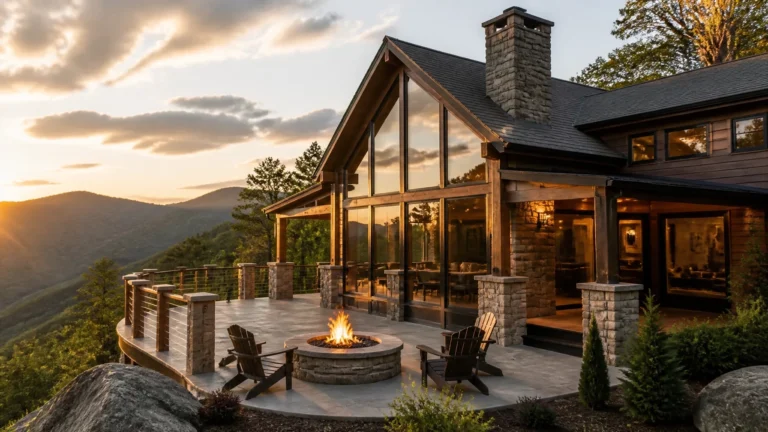
Most remodeling advice is written for a house in a subdivision on flat ground. A cabin on a mountainside is a different building. Wood on the outside, a crawlspace or a walkout underneath, a deck hanging off the back, and a climate that swings from a wet July to a hard January frost. At LoneStar Installations LLC we do cabin remodeling in Tennessee for a living, and the projects that go wrong almost always go wrong for reasons that have nothing to do with tile. This is what the mountain changes, and the maintenance that has to follow any remodel up here.
Why cabin remodeling in Tennessee is its own trade
The building is exposed. A subdivision house has brick or fiber cement on the outside, a slab or a conditioned basement, and neighbors blocking the wind. A cabin has stained wood, a crawlspace open to the ground, tree canopy holding moisture against the siding, and a slope that sends every drop of rain toward the foundation.
The site is harder too. Steep drives, tight turnarounds, deliveries that cannot back up to the door. Add a booking calendar with guests coming and going, and the job has to be planned around access and turnover days, not just materials. That is true in Sevier County, up on the Plateau, and in the lake counties. The physics travel.
Moisture is the whole story
If you remember one thing, make it this. Water is what ends cabins. Not age, not bears, not guests.
The crawlspace is where we start every remodel. Sagging insulation, a wet vapor barrier, a musty smell, and a subfloor that gives under your heel all point to the same problem, and no amount of new flooring fixes it. Walkout basements get it from the uphill wall. Bathrooms and hot tubs add moisture from inside. Trees keep the north side of the siding from ever drying out.
So before we quote finish work we look at the crawlspace, the deck ledger where it meets the house, the roofline and soffits, and every door and window seal. If those are wet, that is the first phase of the job whether the owner planned on it or not.
Wood exteriors, stain, and the things that eat them
Stained wood siding and logs are the reason people buy cabins and the reason cabins need a maintenance cycle. Mildew shows up on the shaded sides first. Stain wears off the sun side. Gaps open at the trim around windows and doors and let water behind the wall.
The cycle that works is not complicated. Pressure wash to strip the mildew and loose finish. Replace any log or siding board that has gone soft. Re-caulk the gaps at the openings. Then a quality stain, and plan to do it again every three to five years depending on exposure. Skip a cycle and you are replacing wood instead of coating it.
Two smaller items pay off outside. Stone walkways and proper grading move water away from the foundation instead of toward it. A bear-resistant trash enclosure keeps wildlife from turning your driveway into a problem for your guests and your siding.
Decks, porches, and railings take the worst of it
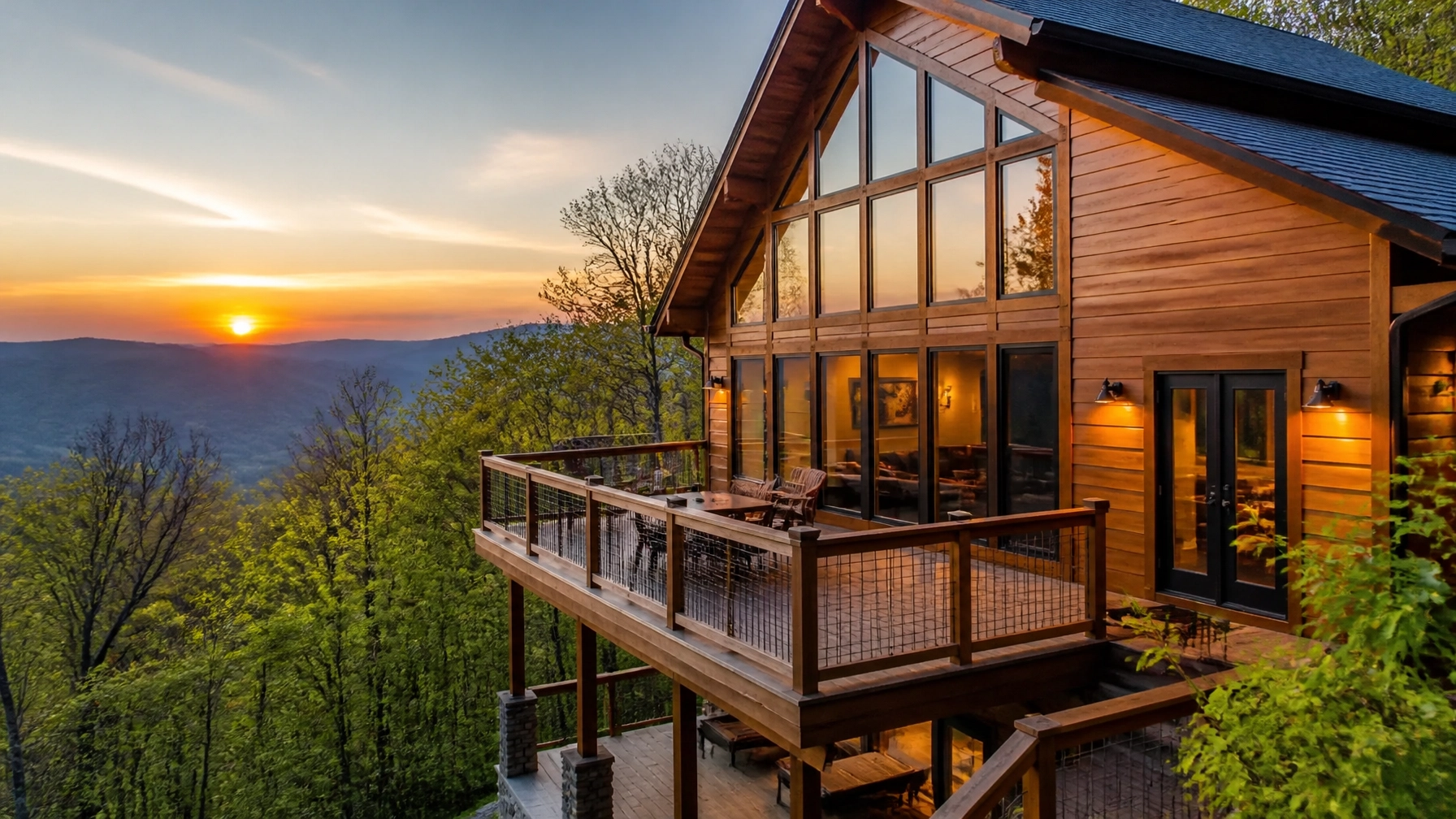
Nothing on a cabin fails more often than the deck, and nothing hurts a guest faster. The boards get all the weather with none of the roof. Post bases sit at grade in wet soil. The ledger board where the deck attaches to the house is the single most common place we find rot, because water runs down the siding and sits behind it.
When we rebuild a deck we flash the ledger correctly, get the posts up off the dirt, and use fasteners that will not rust out. If a hot tub is going on it, the framing under that spot is sized for the load, because a filled tub with people in it is thousands of pounds on a few square feet. Railings get checked for height, spacing, and whether they move when you lean on them. On a rental, a railing that moves is not a maintenance item. It is a liability.
Frost, ice, and the plumbing that gets forgotten
Elevation brings cold snaps the valley does not get, and the ground here goes through hard frost and thaw over and over each winter. Pipes in the crawlspace, lines running under the deck to a hot tub, and outdoor spigots are the ones that split. Part of any lower-level remodel is making sure the plumbing that ends up behind new walls is insulated and, where it makes sense, rerouted out of the cold.
Water heaters and HVAC are the other half. A tankless or high-capacity heater keeps a full cabin in hot showers, and gas units need their venting checked, not assumed. HVAC should be serviced twice a year, before the cooling season and before the heating season, with filters changed far more often than that on a rental.
Inside: finishes that survive a mountain rental
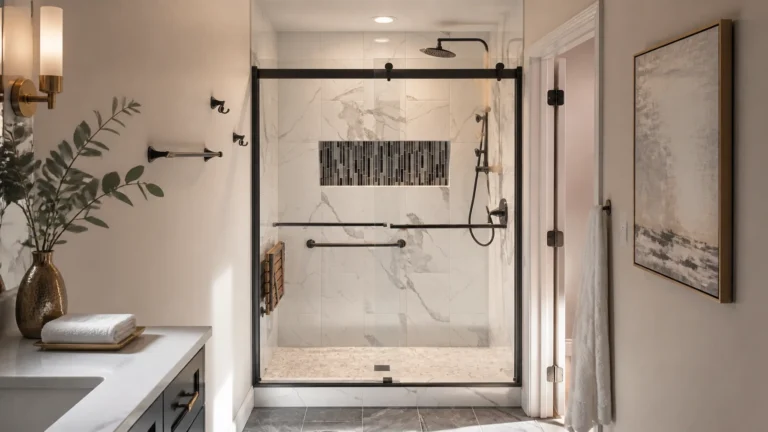
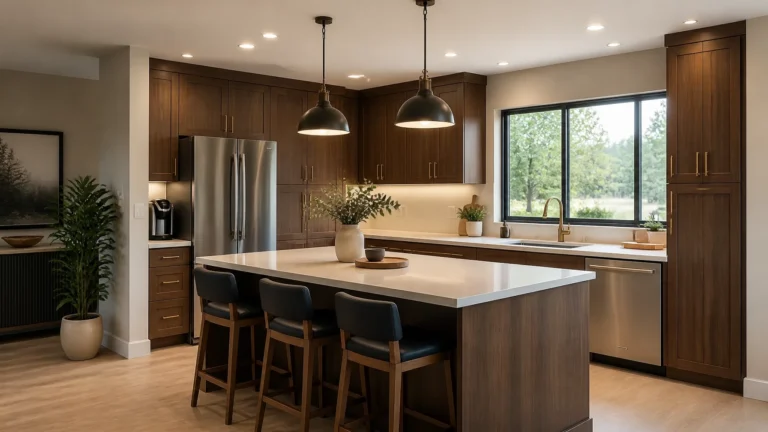
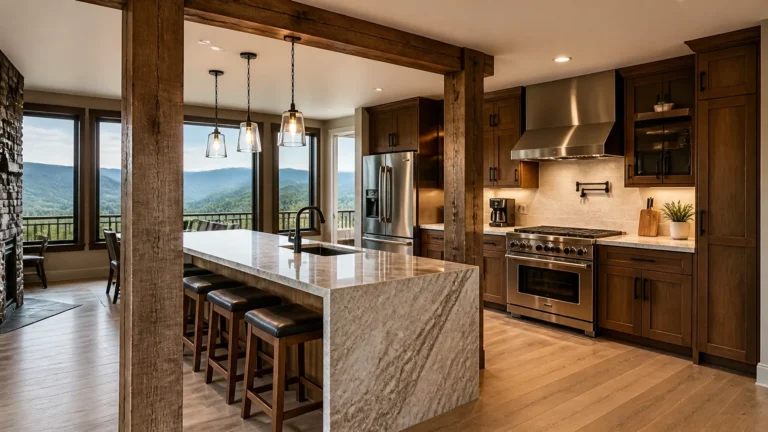
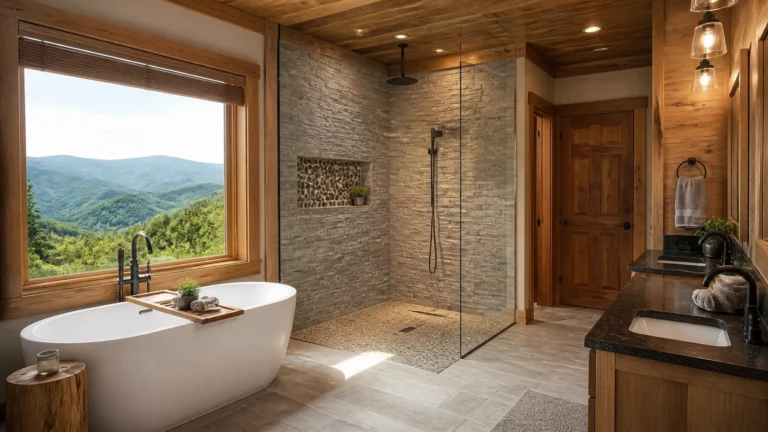
The interior choices get simpler once the building is dry. Water-resistant plank flooring on lower levels and in high-traffic areas. Tile showers with a built-in niche, a non-slip floor, and a glass door instead of a curtain. Quartz or granite counters that shrug off a hundred turnovers. Ground-fault protection on every bathroom, kitchen, and outdoor outlet. Dedicated circuits for hot tubs, saunas, and vehicle chargers, which we run through a licensed electrician we work with, along with any panel upgrade the new load calls for.
The rules travel with the cabin
Rental cabins in Sevier County need the county’s Short-Term Rental Unit permit and have to pass the Fire Marshal’s life-safety inspection. Gatlinburg and Pigeon Forge run their own programs inside city limits, and Pigeon Forge enforces its own occupancy cap. Everywhere, the equipment list looks similar: interconnected smoke alarms on every level, carbon monoxide detectors, an extinguisher on each floor, posted evacuation maps, and a real exit from every bedroom. Thirteen or more guests can bring a sprinkler requirement with them. Confirm the current rules with the county or city before you plan a bunk room. Our guide to Sevier County permits and codes goes deeper.
The maintenance that follows the remodel
Cabin remodeling in Tennessee is not finished when the crew leaves. Stain every three to five years. HVAC twice a year. Alarms tested every quarter. The rental permit renewed on schedule. And someone actually walking the cabin between guests, because the small things, a loose railing, a failed caulk joint, a drip under the vanity, are what turn into the big things.
That is the job our monthly inspection and maintenance program was built for: one scheduled visit a month around the booking calendar, a photo-documented walk through decks, railings, steps, doors, windows, showers, tile, floors, plumbing, roof and exterior wood, HVAC filters, caulk and seals, small fixes done on the spot, and a photo report after every visit. For a remodel, a deck rebuild, or a crawlspace that needs a look before anything else happens, contact LoneStar to schedule a site visit.